
Moving forward together: Living with MG means accepting the realities
Written by |
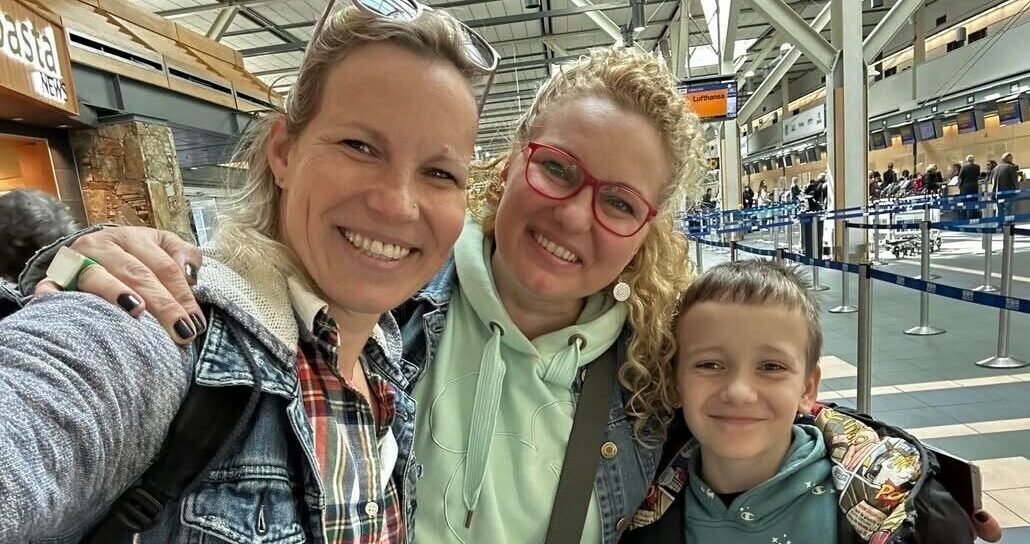
Ivana Tumin, center, is pictured between her sister Jelena, left, and son Filip, right, in a selfie taken by her sister. (Photos courtesy of Ivana Tumin)
In recognition of Myasthenia Gravis Awareness Month in June, the MG Awareness Month campaign features a series of stories highlighting the real-life experiences of people affected by MG, written in their own words. Follow us on Facebook, Instagram, or X for more stories like this, using the hashtag #MGAwarenessMonth, or read the full series.
My illness began gradually, with the first symptoms appearing around 2002. At first, it was an unexplained fatigue, even though I was physically active and working in the fitness field. Over time, more serious symptoms developed: muscle weakness, difficulty speaking, and drooping eyelids. I received my myasthenia gravis (MG) diagnosis after years of being referred from one doctor to another.
The disease soon showed its severity. I underwent surgery, followed by a long and difficult recovery, as well as years of therapy. I learned to live with limitations, but also to appreciate every small improvement. I managed to build a family, but I also went through significant losses — miscarriages, a challenging childbirth, and later, the breakdown of my marriage.
Life did not spare me. In 2017, I lost my father, and shortly after that, I lost my home. With a small child and no stability, I had to start over. With the help of my family and friends, I managed to rebuild my life, but my body paid the price. My MG returned in full force. I could not eat, drink, or perform basic daily activities. I was hospitalized again and underwent serious treatments.
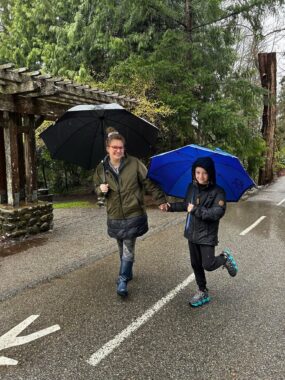
Tumin, left, holds hands with her son Filip while walking with umbrellas in the rain. (Courtesy of Ivana Tumin)
Despite everything, one thing kept me going: my son. He was my strength and my reason to endure. Today, after many ups and downs, my condition is more stable, but only with minimal therapy and significant limitations.
I have come to understand that my body can no longer withstand the demands of a full-time job. Although I have the will to work, an eight-hour workday represents a serious strain on my health. I currently work with children for a few hours every other day, which brings me joy and purpose, but also clearly shows my limitations.
For this reason, my doctor has recommended disability retirement — not as giving up, but as a realistic acceptance of my physical condition.
Today, I understand that illness is not only what happens to us, but also how we choose to face it.
I have accepted my illness. I have said: “You are here — and we will move forward together.” And that is how I live now: step by step, with the support of my son, my family, and the people who have stood by me.
I have not given up. I have simply learned to listen to myself and my body’s needs.