Adapting to a new journey following a myasthenia gravis diagnosis
Written by |
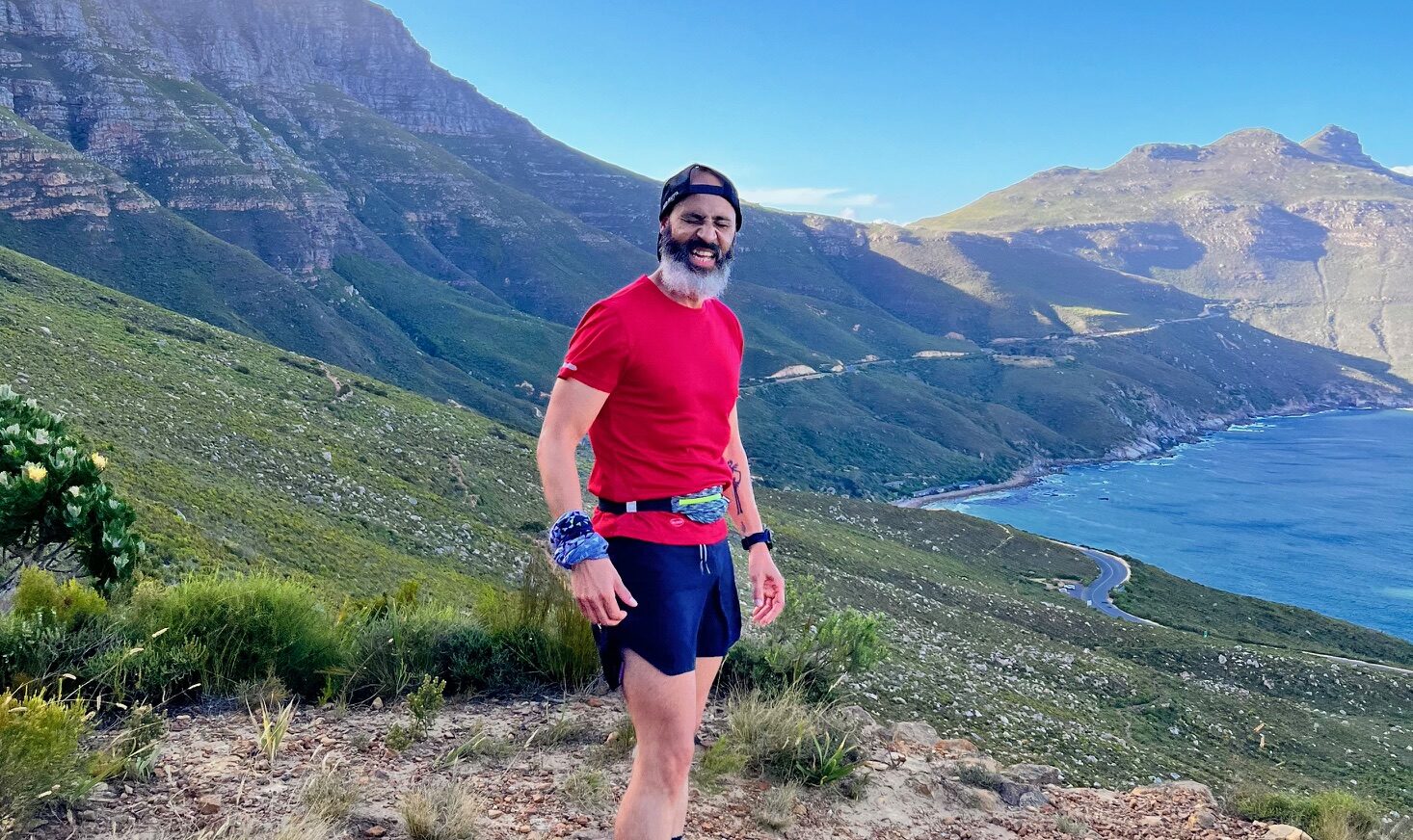
Allistair Isaacs was hiking in Cape Town, South Africa, when he experienced double vision, the first symptoms of an eventual MG diagnosis. (Photos courtesy of Allistair Isaacs)
In recognition of Myasthenia Gravis Awareness Month in June, the MG Awareness Month campaign features a series of stories highlighting the real-life experiences of people affected by MG, written in their own words. Follow us on Facebook, Instagram, or X for more stories like this, using the hashtag #MGAwarenessMonth, or read the full series.
The year was 2022, and I was spending all of my free time using the mountains of Cape Town, South Africa, as my playground. Trail running had become my favorite hobby. I loved being in nature, and running the trails gave me a rush. I had to navigate my way without falling, which didn’t always go as planned.
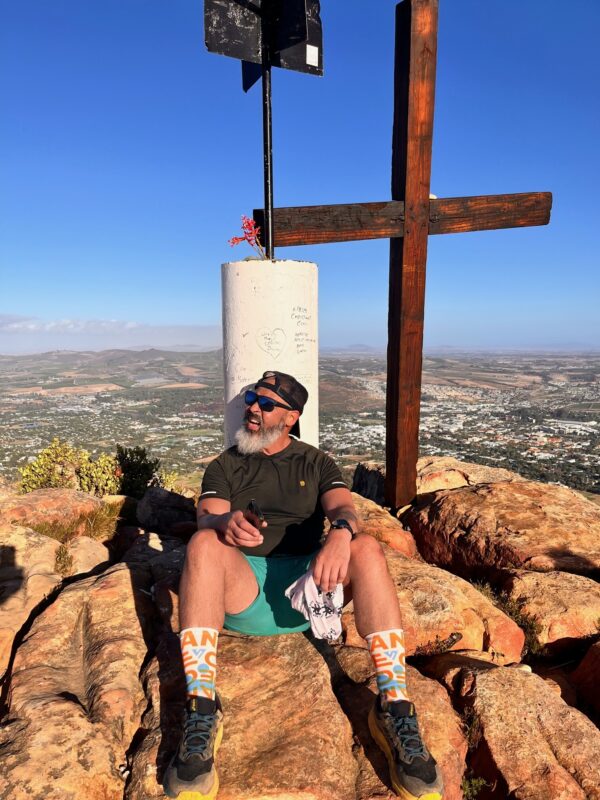
Isaacs rests atop Table Mountain in Cape Town, South Africa.
In late November of that year, I was on a trail run, and as I progressed, I started to experience some double vision, which I ignored, thinking I just needed to take a moment to relax. Unfortunately, my vision didn’t get better as the run went along, and I had to stop completely.
The next few days, my symptoms went from double vision to not being able to have a meal without needing to take a nap. The physical fatigue was aggressive, so I went to my doctor and explained what was happening to me. Luckily, she had a patient with myasthenia gravis (MG) and recognized the symptoms. She booked an appointment with a neurologist to confirm her suspicion. Blood tests were done, and I was diagnosed with MG in December.
I wasn’t yet sure what being diagnosed meant to me. I was given daily medications to mitigate my symptoms. Of course, as these meds made me feel “normal,” I still wanted to do all the things I’d done before, like running and hiking. I did adapt, as the meds somewhat assisted me in doing what I loved.
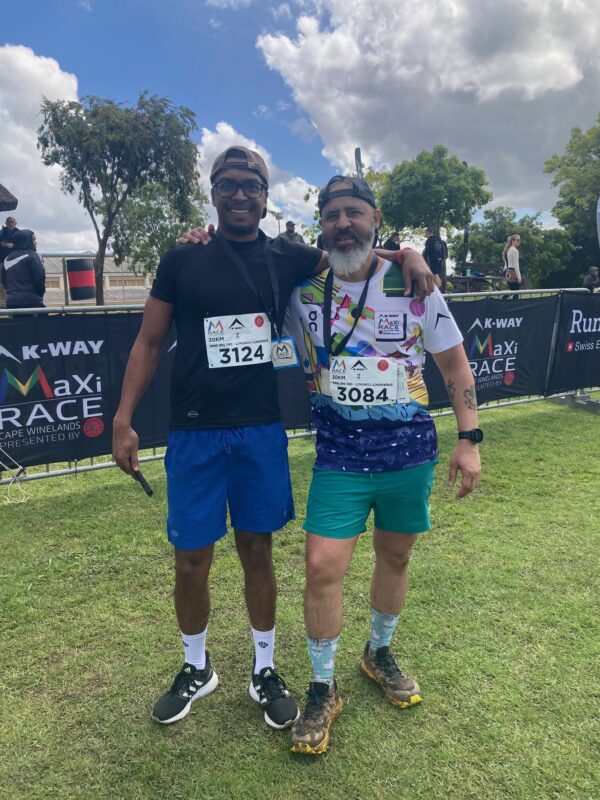
Isaacs, right, and his friend Leroy Müller celebrate the finish of a 30-km trail run.
It was challenging, but I pushed through because I wasn’t going to allow MG to consume me. But these activities eventually became a struggle, which led me to the realization that I wouldn’t be able to run the way I used to or climb to the top of the mountain again. I became depressed, and the medication didn’t help with my mood swings.
A few more hospital visits later, and I was told that I had an enlarged thymus gland, and I needed a thymectomy, which took place in October 2023. I had just completed a 30-kilometer mountain trail race the previous Saturday.
The recovery from the procedure was intense. While in recovery, I realized that I needed space to heal, both physically and mentally. I resigned from my job in April 2024 and spent the time learning about myself and my limitations. Since the thymectomy, my symptoms have become less aggressive, and I was able to take less medication, although there are days when I can feel myself needing to just have a couch day.
I’m still struggling with my limits and learning every day. I’m grateful for social media and for the other MG warriors who share their journeys, as I learned a lot about myself through them.