Living with ocular MG and learning how to embrace a more intentional life
Written by |
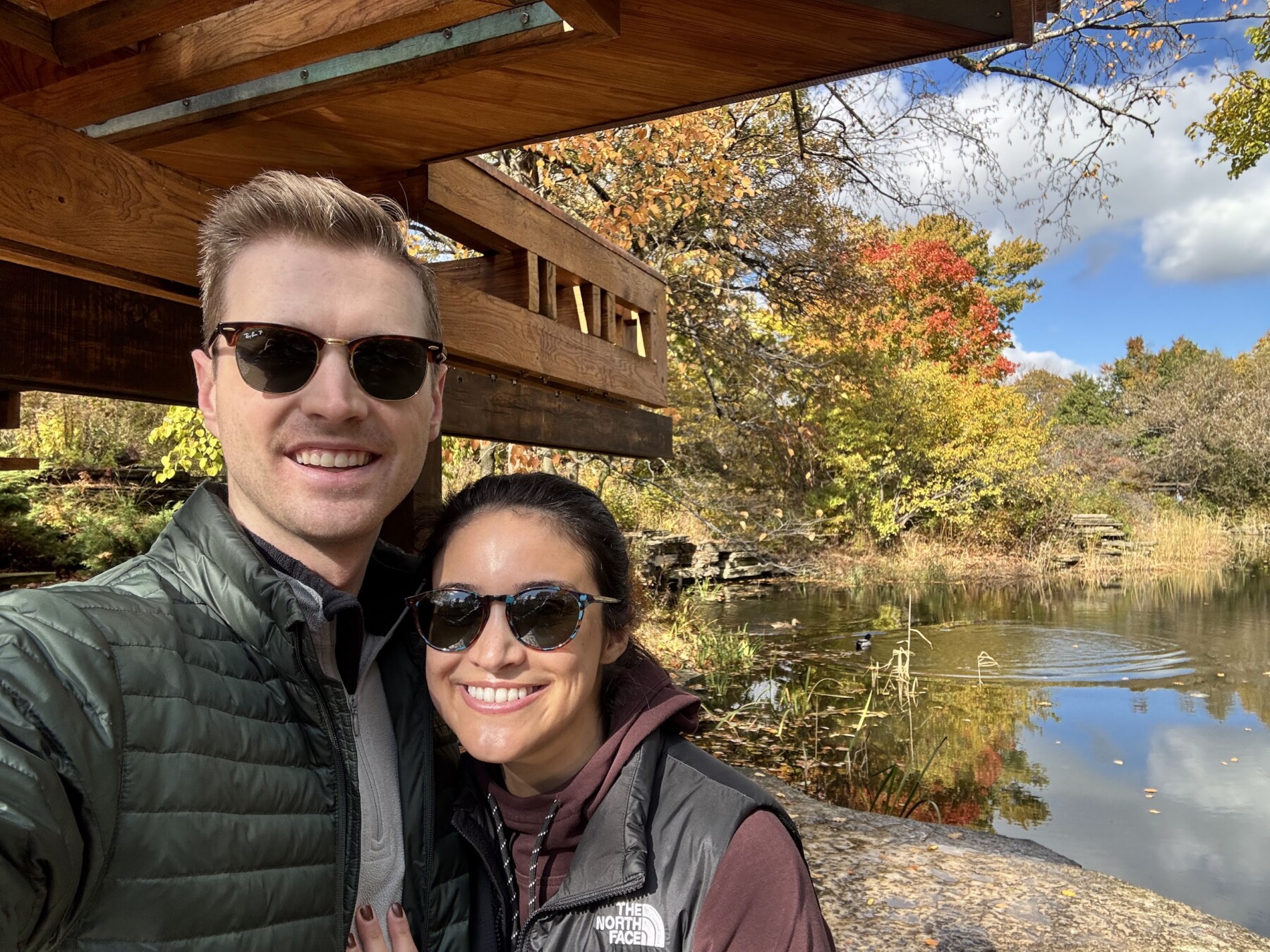
Marissa Humayun, right, enjoys nature walks with her partner, Sean Morris. (Photos courtesy of Marissa Humayun)
In recognition of Myasthenia Gravis Awareness Month in June, the MG Awareness Month campaign features a series of stories highlighting the real-life experiences of people affected by MG, written in their own words. Follow us on Facebook, Instagram, or X for more stories like this, using the hashtag #MGAwarenessMonth, or read the full series.
My experience with MG began when I was abruptly struck with ocular myasthenia gravis (OMG) symptoms at age 26. A droopy eyelid and double vision came seemingly out of nowhere and were very scary and debilitating. The day I received my diagnosis was both terrifying and relieving: terrifying that my life as I knew it was gone, but relieving that I finally had a name for what I was going through.
The years I spent living in a new city, making new friends, and navigating what my career would look like quickly shifted into survival mode. I now had to focus on finding the best treatment option for my OMG. As both an ocular and a seronegative MG patient — meaning the form of the disease I have doesn’t show up in standard blood tests — I had fewer treatment options than others with antibody-positive and generalized MG. Three months after my diagnosis, I underwent a thymectomy and was treated with oral steroids; I’ve recently switched to an infusion therapy to control my symptoms.
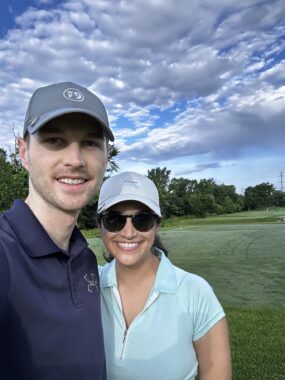
Humayun, right, wearing sunglasses to protect her eyes, takes a selfie on a golf course with her partner Morris. (Courtesy of Marissa Humayun)
As a patient with ocular myasthenia gravis, I feel my own fatigue/ocular symptoms, while also carrying the worry of generalization and the understanding that my form of MG is much different than others. Some days, I feel guilty for even complaining about my ocular symptoms, as I know it could be worse for the generalized MG folks. Other days, I feel jealous of the healthy people in my life who do not deal with an autoimmune disease like MG.
My life moving forward has to involve MG in the conversation. If there is a dinner table, MG needs to have a seat too. Whatever I am planning, I have to think through the following: Do I have someone to drive me? Do I have my medication? Can I rest if I need to? Do I have my sunglasses? Did I push myself too hard yesterday, and am I paying for it today?
Through the ups and downs of the last three years, I have learned the art and beauty of a slower and more intentional life. Rest has become my new best friend. Slow does not equal lazy. I have learned to honor my body for what it can do today.
MG has also brought me some great people into my life. I have met other young women with MG via social media through writing about my story, and knowing that I am not alone in this fight is so comforting. My world perspective has shifted, and while it’s been challenging to say the least, I am grateful to look at the world, strangers, and humanity in a new, more understanding way.
Awareness of our rare disease is so important. As we raise our voices and educate the public, it means the next person who is given our hand of cards has a better chance of a quick diagnosis and swift treatment. Additionally, awareness leads to increased treatment options. Each treatment option that gets approved provides us with yet another way to give each of us a chance at life again.