
Severe MG, high corticosteroid dose tied to worse psychological distress
Study: Issues include depression, anxiety, more frequent sleep problems
Written by |
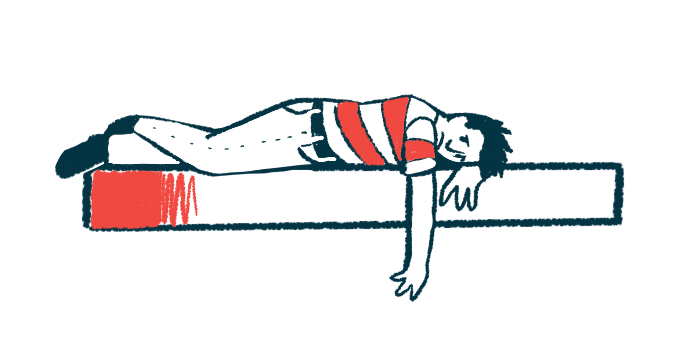
- Myasthenia gravis (MG) patients experience higher psychological distress, including depression and anxiety.
- Severe MG and high corticosteroid doses predict worse psychiatric symptoms.
- Integrated neuropsychiatric monitoring and multidisciplinary care are crucial for MG management.
People with myasthenia gravis (MG) have higher psychological distress, including depression and anxiety, more frequent sleep problems, and greater cognitive difficulties than healthy people, according to a study in Italy.
In addition, more severe disease and treatment with higher doses of corticosteroids were independent predictors of psychiatric symptoms in people with MG, data showed.
These findings “emphasize the importance of a multidisciplinary approach to MG management that incorporates psychiatric evaluation, cognitive assessment, and personalized interventions to improve quality of life,” researchers wrote.
The study, “Psychopathology in myasthenia gravis: Results from a multicenter Italian study,” was published in the Journal of Neuroimmunology by a team of researchers in Italy.

Mood disorders reported in up to 41% of MG patients
MG is usually caused by self-reactive antibodies that attack proteins involved in nerve-muscle communication, most commonly acetylcholine receptors (AChRs). The disease particularly affects muscles that control voluntary movements, leading to symptoms such as muscle weakness and fatigue.
“While MG primarily manifests with physical symptoms, the psychological impact of the condition remains a crucial but often overlooked aspect of patient care,” the researchers wrote.
Mood disorders, including depression and anxiety, are reported in up to 41% of MG patients, and are frequently misdiagnosed or undertreated.
“Moreover, heightened anxiety and depression may aggravate the clinical course of MG, contributing to the worsening of symptoms and overall disease progression,” the researchers wrote.
Living with MG can be emotionally taxing due to its physical limitations and the constant need to adjust treatments. Beyond the daily stress of the disease, common medications such as corticosteroids can cause psychiatric side effects.
“While MG is primarily recognized as a neuroimmunological disorder, this study aims to investigate the prevalence of its neuropsychiatric and neurobehavioral burden compared to healthy individuals, examining potential links between disease severity, long-term immunotherapies, and psychological distress,” the researchers wrote.

MG patients had higher psychological distress than healthy people
In this study, the team retrospectively analyzed data from 116 MG patients followed at three Italian MG centers (University of Palermo, Chieti, and University Hospital of Salerno) between 2020 and 2024. A control group of 119 age- and sex-matched healthy individuals was also included for comparison.
MG patients had a mean age of 61 years and had lived with the disease for about 4.5 years. More than half were men (53.4%). Most had early-onset disease (before age 60; 54.3%), generalized MG (79.3%), and anti-AChR antibodies (75.9%).
Based on the Myasthenia Gravis Foundation of America (MGFA) classification system of MG severity, most patients had mild to moderate disease. The most common symptoms, affecting more than half of patients, included double vision, muscle weakness, and droopy eyelids.
Compared with healthy individuals, people with MG had significantly higher psychological distress, as indicated by higher total scores on the Symptom Checklist-90 (SCL-90; 62.5 vs. 33.8).
In terms of SCL-90 individual domains, the MG group also showed significantly greater depression, anxiety, obsessive-compulsive traits, and somatization — the expression of psychological distress through physical symptoms.
Depressive symptoms were also examined using the Beck Depression Inventory-II scale, and people with MG also scored higher than healthy controls, indicating more depression.
MG patients show a significantly higher psychiatric burden, with disease severity and corticosteroid exposure as key contributors. These findings highlight the need for integrated neuropsychiatric monitoring in MG care.
Data from other validated measures also showed that MG patients reported significantly more sleep disturbances and a greater impairment in physical function and executive function, or high-level cognitive processes needed to regulate and coordinate thought, emotions, and actions.
“These findings reveal a high burden of psychological distress, executive dysfunction, sleep disturbances, and diminished physical [well-being] in MG patients,” the researchers wrote. “Notably, the significantly elevated SCL-90 total scores underscore the profound impact of this neuromuscular disease on mental health.”
In general, there were no significant differences in neuropsychiatric burden between MG patients taking or not taking corticosteroids, including prednisone. However, a higher dose of prednisone, above 15 mg/day, was significantly associated with psychiatric problems such as anxiety and depression.
The use of the immunosuppressant therapy azathioprine was significantly associated with sleep disturbances and somatization, while a higher dose of Mestinon (pyridostigmine) was significantly linked to paranoia, characterized by unjustified suspicion and mistrust of other people or their actions.
Men generally had significantly higher psychological distress and signs of depression than women, while people with early-onset MG had significantly higher psychological distress but a lower degree of cognitive impairment.
The team also found associations between specific MG symptoms and psychological issues. For instance, patients with swallowing difficulties reported higher levels of psychological distress, particularly related to somatization and anxiety, while those with double vision more commonly had sleep disturbances and unfriendly or aggressive behavior.
Further statistical analyses identified more severe disease and higher corticosteroid dosage as independent predictors of psychiatric symptoms.
“MG patients show a significantly higher psychiatric burden, with disease severity and corticosteroid exposure as key contributors,” the researchers wrote. “These findings highlight the need for integrated neuropsychiatric monitoring in MG care.”



FRANK H SCHULTZ
That helps explain why my generalized depression turned into treatment, resistant depression after I was diagnosed. However, I’ve found that. Spravato/ketamine is a miracle drug and has nearly eliminated my depression.
Jodi Enders
Frank, we appreciate you taking a moment to share. I'm glad you were able to find something that has helped keep your depression under control. -Jodi, Patient Advocate