
Depression, fatigue harm MG life quality despite stable physical signs
Patient well-being requires care for energy and mental health, study says
Written by |
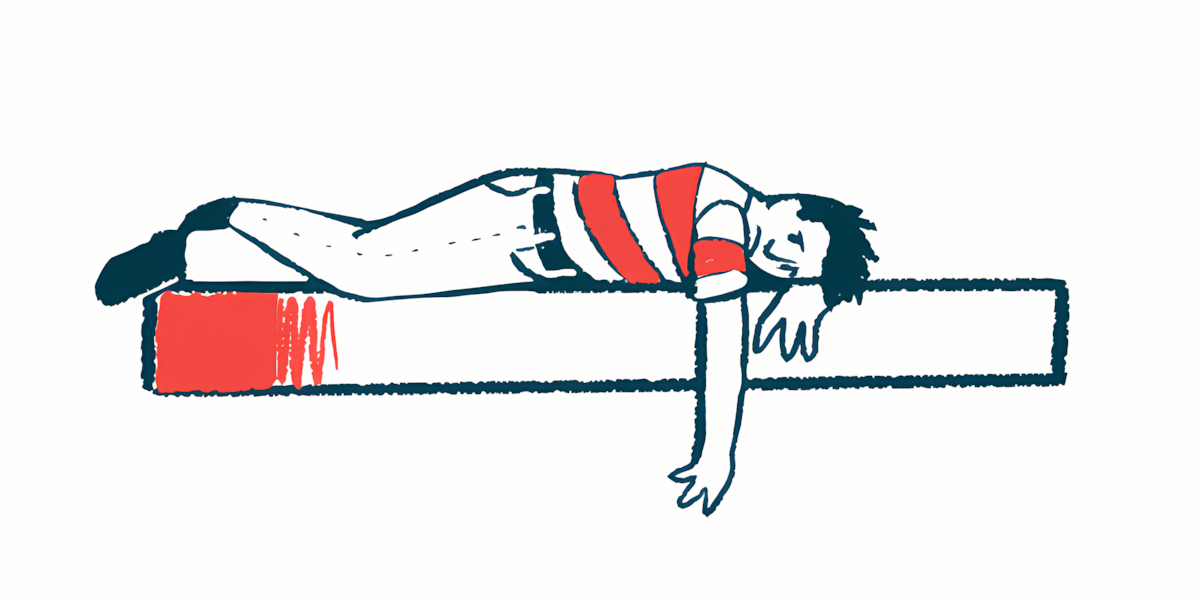
- Depression and fatigue severely reduce quality of life in MG, even when physical muscle weakness remains medically stable.
- Key contributing factors include high rates of depressive symptoms and extreme exhaustion that interfere significantly with daily routines.
- Clinical care must include routine mental health and fatigue screenings alongside standard neurological severity assessments.
Depression and fatigue significantly lower the quality of life for people with myasthenia gravis (MG), even when their muscle weakness appears medically stable and well controlled, a study has found.
The findings highlight that checking physical strength alone is not enough to measure how well a patient is doing and that regular mental health and fatigue screenings should be conducted during routine appointments.
“Depressive symptoms and fatigue contribute independently to MG-specific quality of life beyond conventional clinical severity assessment, supporting psychological and fatigue screening even in patients with apparent clinical stability,” researchers wrote.
The study, “Depressive symptoms and fatigue are independently associated with myasthenia gravis-specific quality of life beyond neurological severity: a cross-sectional study,” was published in Scientific Reports by a team of researchers in Latvia.
In MG, the immune system produces self-reactive antibodies that attack the communication links between nerves and muscles, causing symptoms such as muscle weakness.

High rates of fatigue and mental health symptoms
To understand how daily life is affected by depression, anxiety, and fatigue, researchers analyzed data from 75 adults diagnosed with MG, including 47 women and 28 men, with a median age of 62.
The patients had lived with the condition for a median of seven years and experienced a median delay of three months before receiving an accurate diagnosis. Overall, their physical disease severity was mild to moderate.
More than half of the patients were on corticosteroids, an immunosuppressive treatment commonly used in MG. Nearly one-quarter (24%) had previously experienced a myasthenic crisis, a life-threatening worsening of muscle weakness that affects breathing and usually requires hospitalization.
Among 73 patients with available data, 27 (37%) were in remission (symptom-free) while taking medications for MG, and one (1.4%) was in complete, stable remission without any treatment.
Clinically meaningful depressive symptoms were found in 32 patients (42.7%), while 38 patients (50.7%) reported significant anxiety. For most, these symptoms were mild or moderate, though three individuals had severe depression and five experienced severe anxiety. Depression was assessed using the Patient Health Questionnaire-9 and anxiety using the Generalized Anxiety Disorder-7.
“Depressive and anxiety symptoms were common in this MG population despite generally low-to-moderate neurological disease activity,” the researchers wrote.
Fatigue was also widespread. Patients recorded a median Fatigue Severity Scale score of 40.5, exceeding the clinical cutoff, indicating that extreme exhaustion interfered with day-to-day routines.

Evaluating the true burden on daily living
Quality of life was assessed using the 15-item Myasthenia Gravis Quality of Life Questionnaire, with scores ranging from 0 to 60, where higher scores reflect greater disease impact. The overall group median was 19, indicating a mild-to-moderate overall impact on quality of life.
Patients with clinically relevant depression had significantly poorer quality of life, scoring a median of 27 compared to 14 among those without depression. They also had significantly more severe disease, more difficulty performing daily activities, and higher anxiety levels.
“Although anxiety symptoms were common, their relationship with MG burden was weaker,” the researchers wrote, adding that anxiety alone did not drive sharp differences across the other health measures.
Depression showed no clear link to patient age, sex, how long they had MG, how long it took to get diagnosed, or whether they used corticosteroids. Also, a history of myasthenic crisis was not significantly associated with depression or anxiety.
Greater fatigue correlated strongly with more depressive symptoms, more daily disability, and worse quality of life, yet it did not track directly with disease severity or anxiety.
After adjusting for factors that could influence the results, physical disease severity, fatigue, and depression each independently reduced life quality, together accounting for 40.2% of the variations in quality-of-life scores.
“The patient who appears neurologically stable is not necessarily the patient who feels well,” the team wrote. “Successful control of [muscle] weakness may be necessary but insufficient for full recovery from the patient perspective.”
Effective care for MG must look beyond muscle strength alone, even when a patient’s condition seems stable, the researchers noted. Alongside routine checks for mental health, doctors should evaluate fatigue as its own distinct challenge and not assume that it is a side effect of weakness or dismiss it as purely psychological.
“These findings support a multidimensional model of MG burden in which neurological impairment, fatigue, and psychological health overlap but are not interchangeable,” the researchers wrote.
Larger, long-term studies are now needed to confirm these results and see whether fatigue and depression trigger worsening physical symptoms or develop because of them.




Leave a comment
Fill in the required fields to post. Your email address will not be published.