Restarting a favorite physical activity after MG diagnosis has helped me heal
Written by |
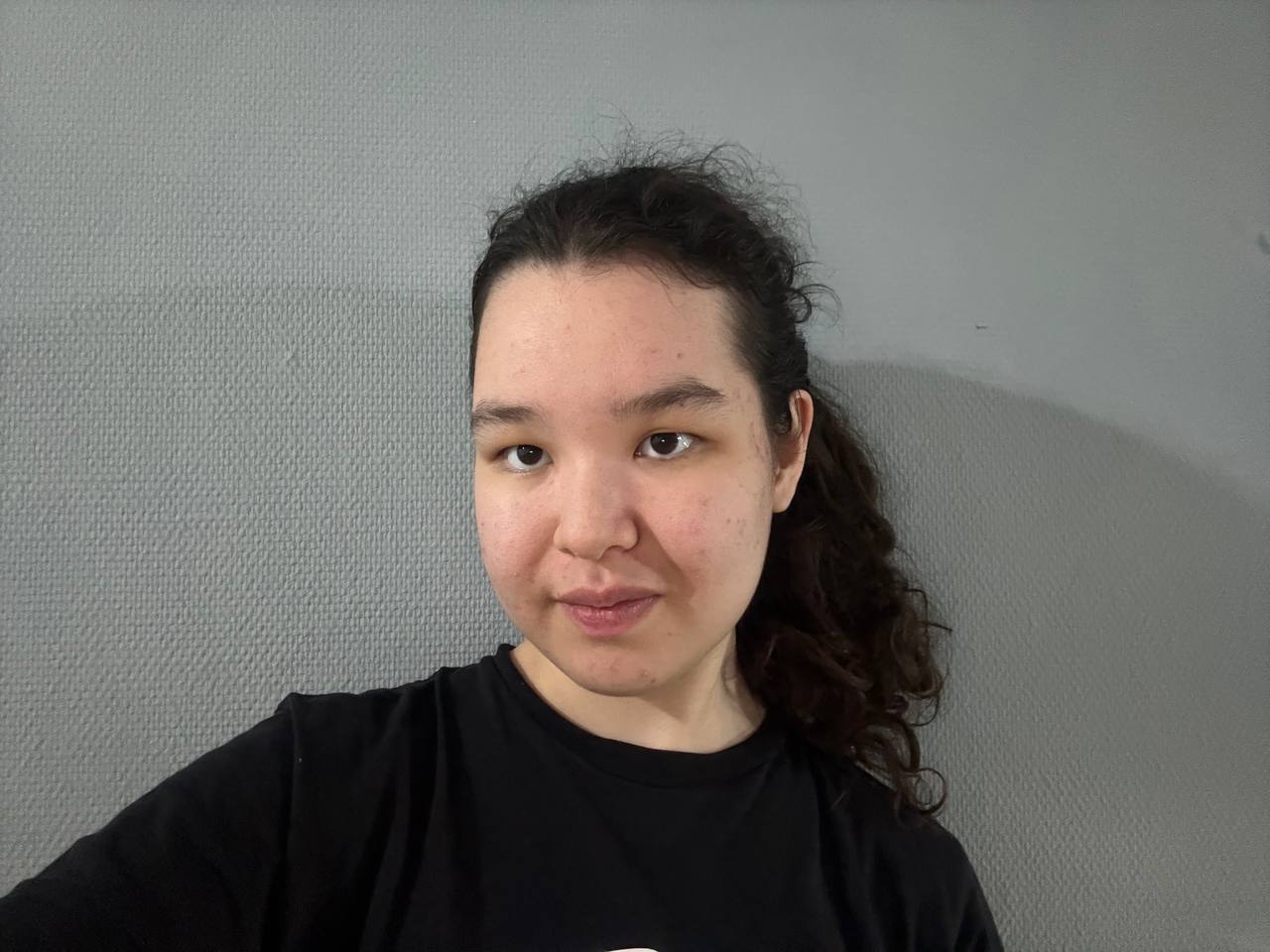
Aliya Askhatkyzy is seen in a selfie taken during her studies in Amsterdam. (Photos courtesy of Aliya Askhatkyzy)
In recognition of Myasthenia Gravis Awareness Month in June, the MG Awareness Month campaign features a series of stories highlighting the real-life experiences of people affected by MG, written in their own words. Follow us on Facebook, Instagram, or X for more stories like this, using the hashtag #MGAwarenessMonth, or read the full series.
When I was first diagnosed with myasthenia gravis (MG), one of my biggest concerns was whether I would ever return to physical activity. For about two and a half years, I couldn’t even seriously consider it. I was scared that trying sports might worsen my symptoms and increase fatigue. Before MG, I was really into inline skating, and losing that part of my life felt especially hard.
About a month after discontinuing corticosteroids last year, I put on my inline skates for the first time. Because I had skated before MG, I thought it would be the easiest activity to try. But I could not even skate 100 meters [about 325 feet] without getting tired, so I gave up on the idea for a while.
Then, three months after stopping steroids, I began trying other types of physical activity, including running, going to the gym, and playing tennis. All were exhausting. I noticed that activities involving my arms tired me faster than those involving my legs. For me, carrying something, playing tennis, or even writing felt much more tiring than inline skating, ice skating, or walking.
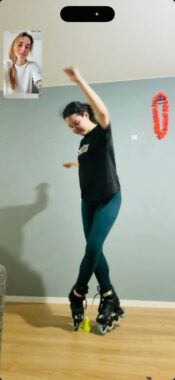
Askhatkyzy works with her freestyle inline coach Vasilisa during an online training session.
I believe this may be because MG affects my upper body, especially my arms, more than my legs. Based on that, I decided to experiment and see which kind of movement my body tolerated better.
I tried running, but it was still too tiring because of the intense cardio. Then I decided to give skating another chance. In the beginning, even the first month was exhausting. But as time passed, my body adapted. At the end of each training session, I felt fewer MG symptoms than before. I gradually increased the activity, and to my surprise, my endurance noticeably improved. I had expected exercise to worsen my fatigue, not help it.
A couple of months after returning to inline skating, I decided to increase the difficulty and start learning freestyle slalom tricks — skating around cones while performing highly coordinated tricks. Because freestyle slalom is a complex coordination sport, I was hesitant and scared of how it might affect my MG. At the same time, I felt it could also help me.
Now I’ve been doing freestyle for three months, and the way it has changed my life feels unbelievable. One of the main reasons I’ve been able to do this with MG is that I have a coach who is knowledgeable in biomechanics, rehabilitation, and human physiology. Together, we built a training routine that feels safe while also helping improve my endurance and muscle strength. I also take short breaks every 10-15 minutes to help my muscles recover and prevent overexertion.
In my case, the nature of the sport itself was a perfect fit. The load is mostly on my legs, which are less affected by MG for me. It also brought me back to a hobby I have loved for years, and that alone brought me a lot of happiness. Skating alternates between static and dynamic effort, which, for me personally, feels more manageable. It has also given me the chance to truly feel my body again after so many years without any activity.
Trying out, experimenting, and introducing physical activity again was one of the best decisions I have made since my MG diagnosis. It made me excited to move again and return to something I once thought MG had taken from me. In a way, I would say it helped me heal.