Goal for this gMG patient advocate is expanded access to new treatments
Written by |
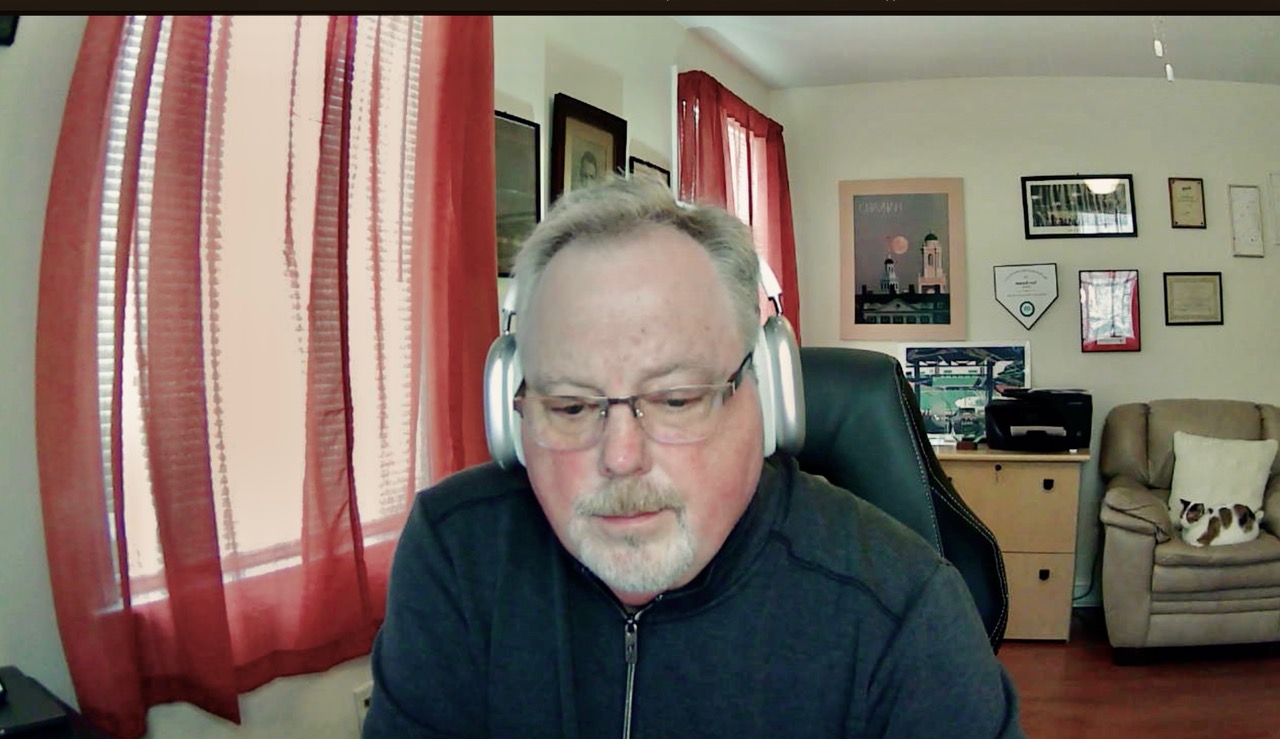
Patient advocate Thomas Barlett, who lives with gMG, speaks on a Zoom call while working from his home office. (Courtesy of Thomas Bartlett)
In recognition of Myasthenia Gravis Awareness Month in June, the MG Awareness Month campaign features a series of stories highlighting the real-life experiences of people affected by MG, written in their own words. Follow us on Facebook, Instagram, or X for more stories like this, using the hashtag #MGAwarenessMonth, or read the full series.
I’m a rare patient living with generalized myasthenia gravis (gMG). I have been on numerous treatments, and I am still searching for the one that will provide me the best quality of life.
I also sit on several patient advisory councils in the MG community, and I’m a patient adviser for several technology companies in the rare disease space. Having worked at Apple for almost 20 years and heading up global sales for a life science consulting firm that leveraged applied technologies to reduce time to outcomes, my background affords me a unique perspective.
One area I believe needs to be highlighted is the importance of new initiatives such as early access programs (EAPs). From the patient’s point of view, we know very little about these programs and how important they are to those living with a condition, as well as to pharmaceutical companies.
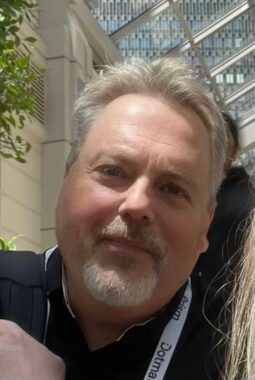
Bartlett, who sits on several patient advisory councils, seeks better program access for all those living with MG.
EAPs provide early preapproval access to new technology, software, or investigational medical treatments before they are widely available. These programs give patients the ability to experience new features or therapies while allowing companies to gather feedback. This is especially helpful in terms of assistive technologies and potential treatments for people living with MG and other conditions.
I believe it is imperative to improve awareness of these programs in the patient community. Education is key to helping patients understand the whys involved in all aspects of their disease. The better the EAP community can educate patient communities through existing channels, such as support groups, the greater the likelihood of success.
I was invited to speak at an EAP CUPA Conference in Boston in January. It was both an education for me and the audience, which was made up of academic researchers and physicians. I knew nothing about early access programs before becoming involved with one organization. This group educated me about the importance of these programs in rare and ultra-rare diseases.
Most patients do not know these programs exist. And in rare disease spaces, we need to do a better job extending the reach of these programs beyond the standard communications and conferences. One suggestion is to connect with patients in spaces where they seek help. Through support groups and, equally as important, through storytelling, we can reach more people. The use of search tools, which can summarize content through social feeds, is a valuable resource as well.
These are new approaches that many technology and pharmaceutical companies are beginning to employ for patient education and research. This really puts the patient first.
EAPs and other tools that incorporate leading-edge artificial intelligence search engines will help educate the patient community. Working with companies and incorporating ways patients can learn and contribute to these programs will enhance the patient’s ability to find and absorb information about their condition.
Living with a rare disease is difficult enough; not knowing where to turn for quality information makes it more challenging! Breaking down barriers and expanding access are the goals.