
My daughter’s MG diagnosis led her down a path of helping others
Written by |
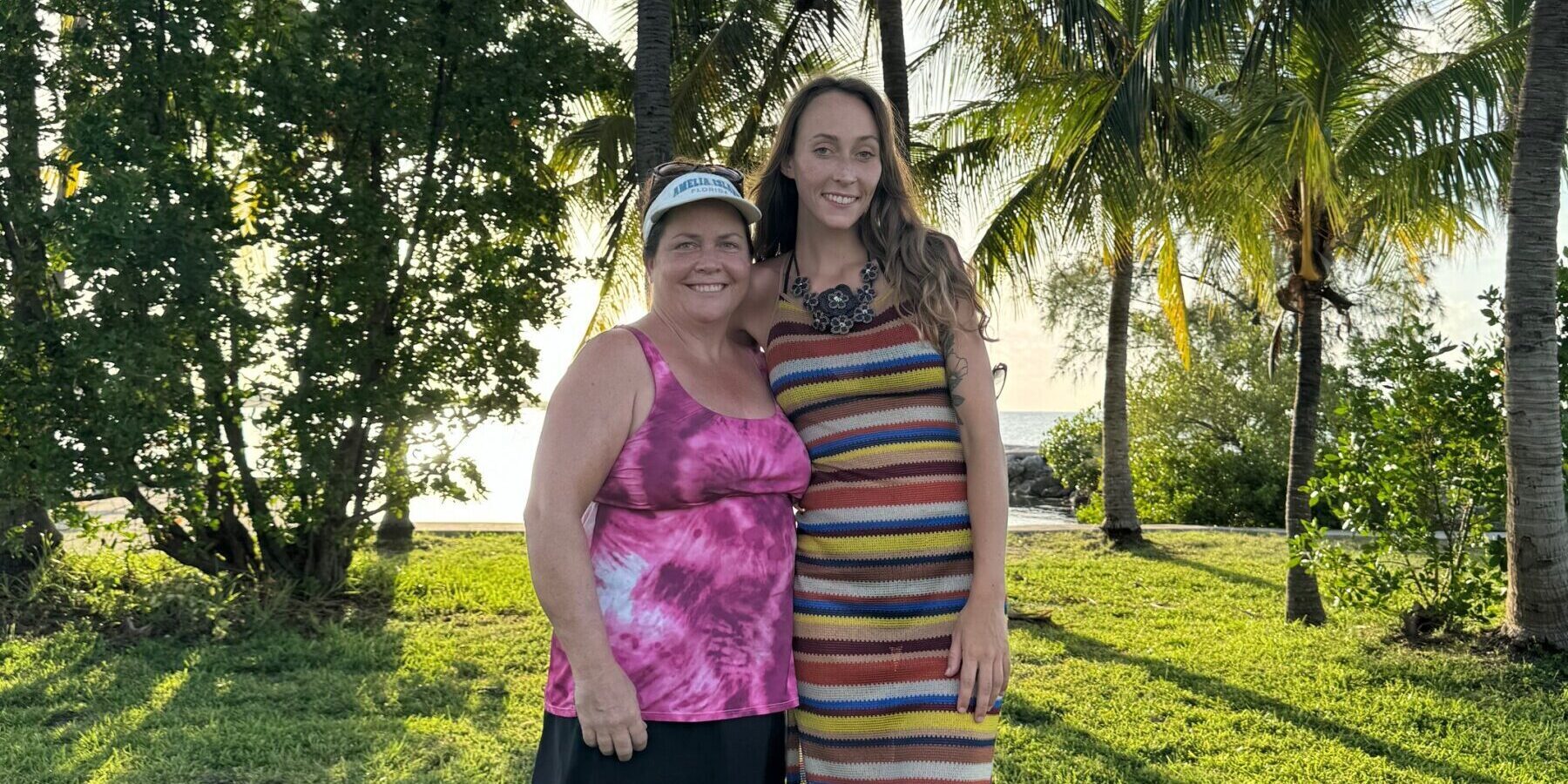
From left, Dana and Jodi Enders relax in the Florida Keys. (Photos courtesy of Dana Enders)
In recognition of Myasthenia Gravis Awareness Month in June, the Myasthenia Gravis Awareness Month campaign features a series of stories highlighting the real-life experiences of people affected by myasthenia gravis, written in their own words. Follow us on Facebook, Instagram, or X for more stories like this, using the hashtag #MGAwarenessMonth, or read the full series.
In 2020, my daughter Jodi was about to enter her last semester of college as an anthropology student. She abruptly became very ill and was hospitalized with stroke-like symptoms. This happened during the COVID-19 pandemic, and it was a scary time for Jodi and our entire family. Within days, she was diagnosed with myasthenia gravis (MG).
At first, her disease was visible because she was in crisis. She had trouble chewing and swallowing, and often slurred her words. She was almost like a newborn baby and was unable to support the weight of her own head. She went from being an independent young person to someone who needed help with simple, everyday tasks like brushing her teeth and hair.
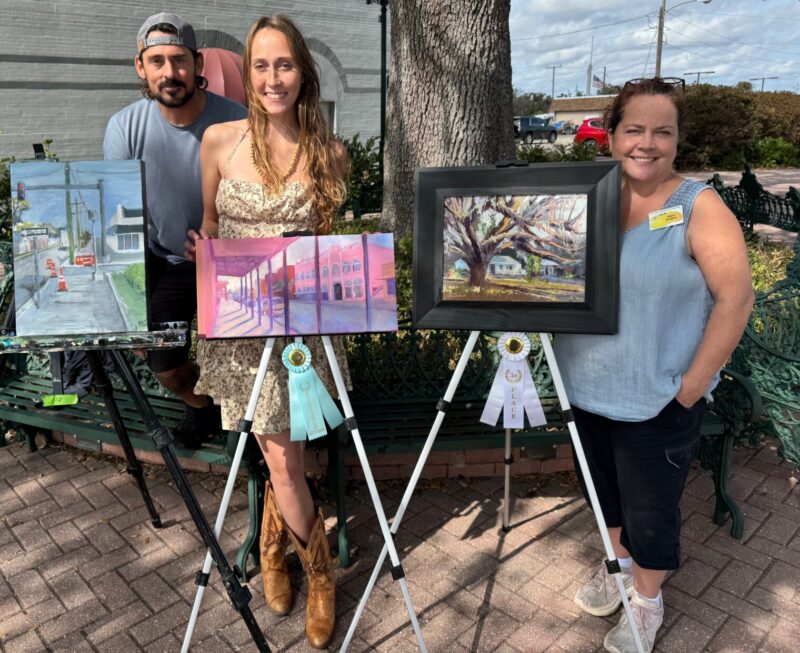
From left, Jodi Enders’ boyfriend Jason Gray, Jodi Enders, and her mother, Dana Enders, participate in an art competition en plein air.
Once the crisis passed and she was on the right medications, those symptoms became less noticeable. But the internal struggle was real. She had to sit with the realization that it was a chronic condition that wasn’t going away. She struggled to realize she could no longer follow her planned career path due to the limitations brought on by MG.
The disease came into her life and put up so many barricades that blocked her from doing almost everything she had planned for herself.
Nearly six, long years have passed since her diagnosis, filled with struggles, anger, and tears as she’s had to adjust to having a chronic, invisible disease.
She recently told me that, because of who she has become, she wouldn’t trade it for not having the disease — a powerful statement. MG has transformed her in many positive ways.
I think it has, very unexpectedly, led Jodi to find a new path and purpose in life by helping others, allowing her to see life in a different light. She is empathetic to others and their struggles, both visible and invisible. There is a bigger purpose beyond herself.
She now works as an advocate for people with MG and other invisible diseases. She is taking her own experience with MG and is using it in a positive way to give others daily tips, encouragement, and hope for the future.