Being the partner of someone with MG requires support, too
Written by |
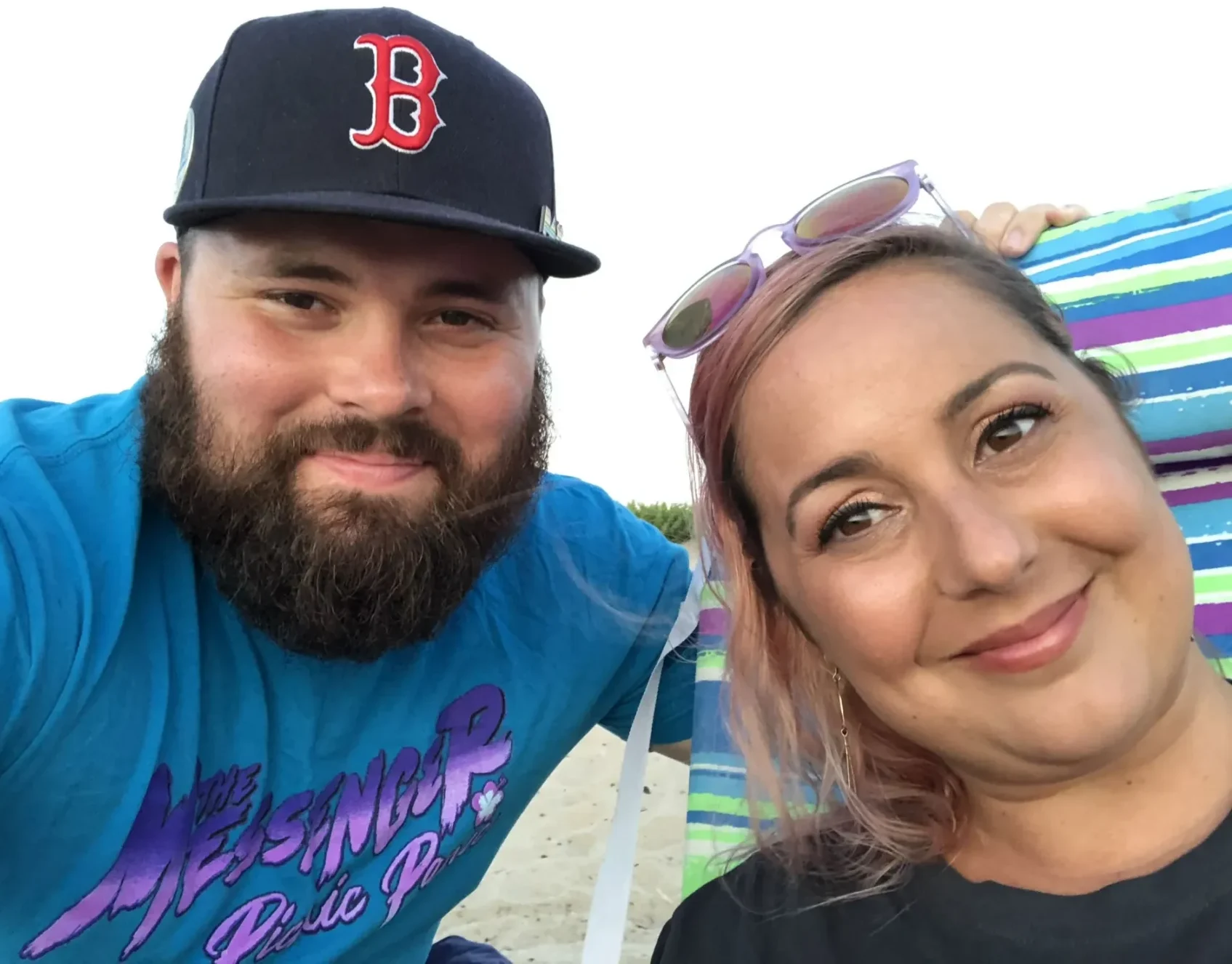
Brenden Groom and Jennifer Januario enjoy a sunset on the beach in Provincetown, Massachusetts, after her MG diagnosis in 2019. (Photos courtesy of Brenden Groom)
In recognition of Myasthenia Gravis Awareness Month in June, the Myasthenia Gravis Awareness Month campaign features a series of stories highlighting the real-life experiences of people affected by myasthenia gravis, written in their own words. Follow us on Facebook, Instagram, or X for more stories like this, using the hashtag #MGAwarenessMonth, or read the full series.
I hope she doesn’t do anything so she can do it all.
Double vision, trouble breathing, and doctors’ inability to diagnose properly led to confusion and a trip to the intensive care unit at the beginning of 2019. With no prior symptoms that we can recall, and lacking the knowledge of what myasthenia gravis (MG) was, we were thrust into the hospital, hoping for a path forward.
Ever since my wife, Jennifer, was diagnosed with MuSK myasthenia gravis (a type of MG in which patients test positive for antibodies against a protein called muscle-specific kinase) back in 2019, our lives have forever changed. Our new normal constantly evolves.
When new challenges or frustrating, persistent problems related to MG interject at any moment in our lives, it can be deflating. I’ve always tried to be a boulder for her to rest on, an unwavering support for her to lean on physically and mentally. This led me to bottling all of my own emotions and keeping my problems to myself. The wisdom I wish was bestowed upon me in the early years of us navigating this illness, though, is that it is OK for me to lean on her, too.
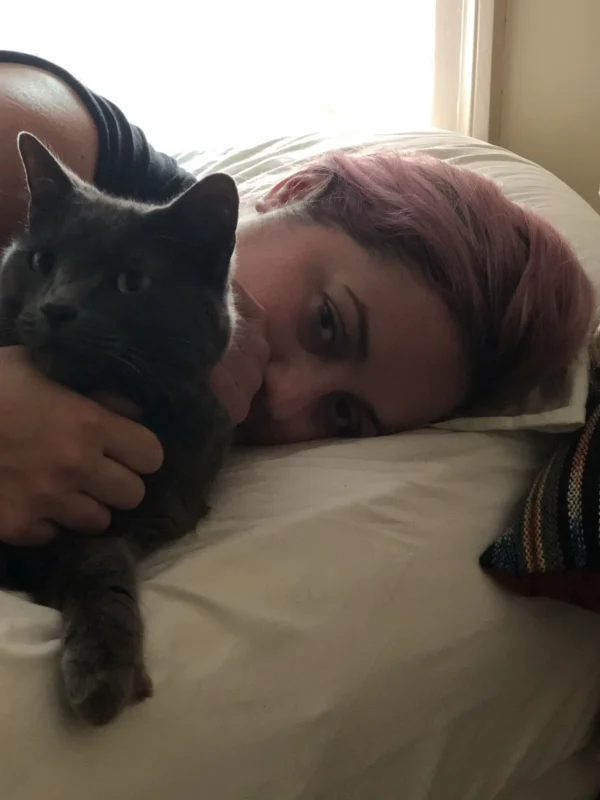
Jennifer Januario reclines in bed with her cat, Navi, in 2019.
Going on seven years of living with this illness, Jen’s MG journey has continued to strengthen our relationship. It has shown me what truly being there for someone is and what love looks like. But I couldn’t be that person when I was failing to communicate properly. Little things like having a rough day at work felt like unnecessary burdens to place on her while she was dealing with so much. I’d feel guilty about sharing anything that affected me, knowing it was nothing compared to what she goes through.
I think in the beginning, the thing that weighed on me most was feeling as though there was nothing I could do. I couldn’t take her aches away. I couldn’t lift her fatigue. I couldn’t swap places with her when she mourned the life she felt she had lost. All I thought I could do was try to do as much for her as needed.
I wanted to do everything so that she could do it all. I wanted her spoons (a metaphor for energy) reserved for walks downtown or October madness in Salem, Massachusetts. But one of the key things I was neglecting was letting her be there for me, too. It’s important for partners and caregivers on this journey to have reciprocated support, and she was trying to give it to me from the beginning.
Today, MG continues to be as challenging as ever as she recovers from her worst crisis and hospital stay to date. But our love and resolve to overcome any challenge thrown our way have never been stronger, and together we can continue to find the good days on this MG journey.