
From the Dealership to Diagnosis: One Man’s Journey with gMG
This post is sponsored in partnership with UCB
Written by |
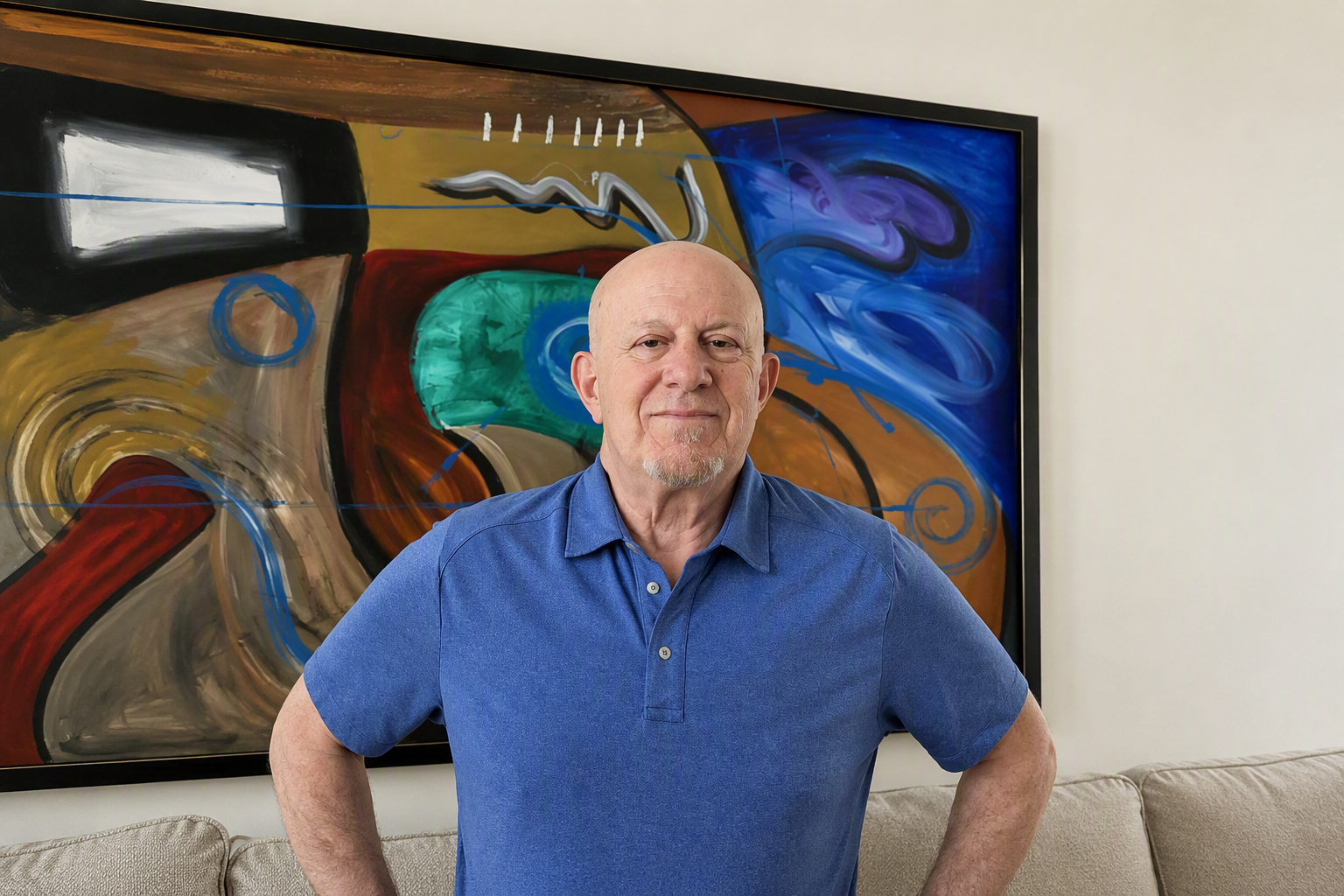
After 45 years in the automotive business, Barry was finally ready to retire. But just before signing the papers to sell his dealership, he began experiencing troubling symptoms, including issues swallowing, drooping eyelids, and difficulty speaking. He assumed stress was to blame and continued to push through.
“I’m stubborn and thought it was temporary,” he says. “I even kept helping customers at the shop. But eventually, I was in the hospital.”
After a week-long hospitalization and undergoing testing, Barry finally had an answer. He was living with anti-acetylcholine receptor (AChR) antibody positive generalized myasthenia gravis (gMG), a rare autoimmune disease that can weaken muscles throughout the entire body.1
Understanding and Treating gMG
Symptoms of gMG can make daily life challenging, such as impacting people’s ability to chew, swallow, breathe, brush their teeth or hair, rise from a chair, as well as cause double vision and eyelid droop.1,2 While Barry’s diagnosis moved swiftly, many people living with gMG can wait nearly a year for an accurate diagnosis.3
By the time Barry left the hospital, he felt substantially better after undergoing treatment to support his immune system. Before leaving, his doctor discussed potential treatment options for his gMG including RYSTIGGO® (rozanolixizumab-noli), a treatment for adult patients living with gMG who are AChR or antimuscle-specific tyrosine kinase (MuSK) antibody positive.4 After doing his own research, Barry agreed to try the treatment. Then, seeing how well it worked for him, Barry and his doctor decided to continue with RYSTIGGO as part of his treatment plan.
“I knew there were other options out there from doing my research, but RYSTIGGO seemed to help, so I wanted to continue,” Barry shares. It’s important to note everyone’s experience is different so patients should talk to their doctor about the right treatment for them.
RYSTIGGO can cause side effects, including an increased risk of infection or aseptic meningitis. Swelling and rash have also occurred. The most common side effects of RYSTIGGO include headache, infections, diarrhea, fever, hypersensitivity reactions, and nausea.4
It’s important to talk to your doctor about your options, as well as their benefits and risks.
Today, Barry receives once-weekly RYSTIGGO infusions in 6-week treatment cycles at an infusion center just five minutes from home.4 “From the time I leave my house to the time I get home, the time is usually less than an hour,” he says. “Not bad for managing my gMG.” Please note that timing can vary for each individual based on factors such as travel distance to an infusion center and the time needed to administer treatment.
Paying It Forward
Now in retirement, Barry is focused on what matters most: spending time with his wife, son and daughter-in-law, and granddaughter.
“I can say that today I feel good and happy to be alive. I see my granddaughter all the time, which is my main medicine, along with RYSTIGGO,” he reflects. “For people like me who had never heard of gMG before their diagnosis, I want to tell my story, so they know it can be manageable.”
You can visit RYSTIGGO.com for more information to help determine with your doctor whether RYSTIGGO is right for you.
Barry is a member of the UCB Advocates Network and is a paid consultant.
This publication is sponsored by UCB for educational and informational purposes. The views and statements contained in this publication reflect the speaker’s opinion, experience, or professional/clinical experience. These views do not necessarily reflect the views of UCB. All trademarks, logos, and brand names are the property of their respective owners. Use of these names, trademarks, and brands does not imply endorsement or affiliation.
For more details about RYSTIGGO, see the Important Safety Information below. This information does not take the place of talking to your healthcare provider about your medical condition or your treatment.
IMPORTANT SAFETY INFORMATION
What is RYSTIGGO?
RYSTIGGO is a prescription medicine used to treat adults with a disease called generalized myasthenia gravis (gMG) who are anti-acetylcholine receptor (AChR) antibody positive or anti-muscle-specific tyrosine kinase (MuSK) antibody positive.
What is the most important information I should know about RYSTIGGO (rozanolixizumab-noli)?
RYSTIGGO may cause serious side effects, including:
- Infection: RYSTIGGO may increase the risk of infection. In clinical studies, the most common infections were upper respiratory tract infections, COVID-19, urinary tract infections, and herpes simplex infections. Your healthcare provider should check you for infections before starting and during treatment with RYSTIGGO. Tell your healthcare provider if you have any history of infections. Tell your healthcare provider right away if you have signs or symptoms of an infection during treatment with RYSTIGGO. Some of the signs and symptoms may include fever, chills, frequent and/or painful urination, cough, runny nose, wheezing, shortness of breath, fatigue, sore throat, excess phlegm, nasal discharge, back pain, and/or chest pain.
- Aseptic Meningitis: RYSTIGGO could cause aseptic meningitis. Tell your healthcare provider right away if you develop any signs or symptoms of meningitis during treatment with RYSTIGGO such as severe headache, neck stiffness, drowsiness, fever, sensitivity to light, painful eye movements, nausea, and vomiting.
- Hypersensitivity Reactions: RYSTIGGO can cause swelling and rash. Your healthcare provider should monitor you during and after treatment and discontinue RYSTIGGO if needed. Tell your healthcare provider immediately about any undesirable reactions you experience after administration.
Before taking RYSTIGGO, tell your healthcare provider about all of your medical conditions, including if you:
- Have a history of infection or think you have an active infection
- Have received or are scheduled to receive a vaccine (immunization). The use of vaccines during RYSTIGGO treatment has not been studied, and the safety with live or live-attenuated vaccines is unknown. Administration of live or live-attenuated vaccines is not recommended during treatment with RYSTIGGO. Completion of age-appropriate vaccines according to vaccination guidelines before starting a new treatment cycle with RYSTIGGO is recommended.
- Are pregnant or plan to become pregnant or are breastfeeding or plan to breastfeed.
- Pregnancy Registry: There is a pregnancy exposure registry that monitors pregnancy outcomes in women exposed to RYSTIGGO during pregnancy. Patients or their healthcare providers may contact UCBCares® at 1-844-599-CARE (2273) or email [email protected], so that information about the exposure of RYSTIGGO during pregnancy and/or breastfeeding can be collected.
Tell your healthcare provider about all the medicines you take, including prescription and over-the-counter medicines, vitamins, and herbal supplements.
What are the possible side effects of RYSTIGGO?
RYSTIGGO may cause serious side effects, including:
- See “What is the most important information I should know about RYSTIGGO?”
The most common side effects of RYSTIGGO include:
- headache
- Infections
- diarrhea
- fever
- hypersensitivity reactions
- nausea
These are not all the possible side effects of RYSTIGGO. For more information, ask your healthcare provider or pharmacist. Tell your healthcare provider about any side effectthat bothers you or that does not go away. Call your healthcare provider for medical advice about side effects. You are encouraged to report negative side effects of prescription drugs to the FDA. Visit www.fda.gov/medwatch or call 1-800-FDA-1088. You may also report side effects to UCB, Inc. by calling 1-844-599-CARE [2273]. Please see the full Prescribing Information and talk to your healthcare provider about your condition or your treatment. For more information, go to www.RYSTIGGO.com or call 1-844-599-2273.
References
1. Hansen JS, et al. Mortality in myasthenia gravis: A nationwide population-based
follow-up study in Denmark. Muscle Nerve. 2016;53:73–7.
2. Wolfe GI, et al. Myasthenia gravis activities of daily living profile.
Neurology. 1999.
3. Mahic, M., Bozorg, A.M., DeCourcy, J.J. et al. Physician-Reported Perspectives
on Myasthenia Gravis in the United States: A Real-World Survey. Neurol Ther
11, 1535–1551 (2022).
4. RYSTIGGO (rozanolixizumab-noli) U.S. Prescribing Information. Smyrna, GA: UCB,
Inc.
RYSTIGGO® and UCBCares® are registered trademarks of the UCB Group of Companies. ©2026 UCB, Inc., Smyrna, GA 30080. All rights reserved. US-RZ-2600287