
Taking Vyvgart before thymectomy may help improve surgery outcomes
Small study finds shorter intensive care stays, 'more stable status' for patients
Written by |
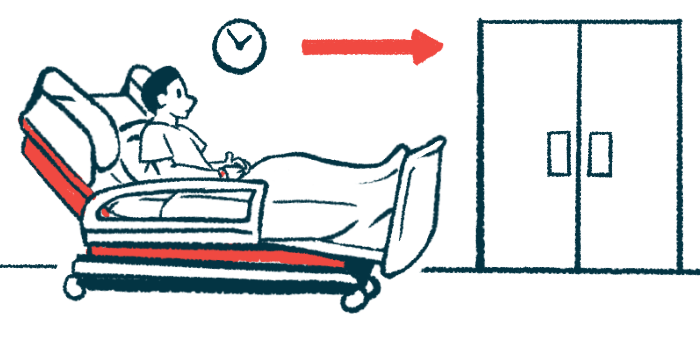
- Among people with myasthenia gravis, a single Vyvgart infusion before thymectomy was seen to improve muscle strength after surgery.
- The medication's use also led to shorter intensive care unit stays following thymus gland removal relative to those not given Vyvgart.
- Researchers say this treatment strategy may be a viable option for MG patients with financial constraints.
Adding a single infusion of Vyvgart (efgartigimod alfa-fcab) to treatment typically given before a thymectomy, or the surgical removal of the thymus gland, results in greater clinical and laboratory improvements in people with myasthenia gravis (MG).
That’s according to a small, single-center study in China, which showed that Vyvgart treatment was associated with a shorter waiting time for surgery, as well as a reduced stay in the intensive care unit after the procedure. Patients given the approved medication before undergoing surgery also had scores reflecting better muscle strength on an MG severity scale after it.
“This study demonstrates that [Vyvgart] treatment may enable MG patients to [achieve a] more stable status after thymectomy,” the researchers wrote, noting, however, that larger studies are needed to confirm these findings.
Titled “Preoperative Short-Term Efgartigimod Benefits Myasthenia Gravis Patients Undergoing Thymectomy,” the study was published in the journal Acta Neurologica Scandinavica.
In MG, self-reactive antibodies mistakenly attack proteins involved in nerve-muscle communication, leading to symptoms of muscle weakness and fatigue.
Irregularities in the thymus gland, a part of the body’s immune system, are known to play a role in the development of the self-reactive antibodies that mark MG. As such, a thymectomy is commonly performed among people with MG to help ease symptoms.
Researchers compared outcomes with Vyvgart vs. a placebo
In some cases, however, the removal of the thymus gland can trigger a myasthenic crisis — an episode of severe breathing difficulty that requires hospitalization. To reduce the risk of such complications, high-dose corticosteroids, plasma exchange, and intravenous immunoglobulin (IVIG) are currently recommended.
Corticosteroids are potent anti-inflammatory medications, while plasma exchange is a blood-cleaning procedure that helps to remove MG-driving antibodies. IVIG consists of administering healthy antibodies from donors, which is thought to neutralize MG-driving antibodies and/or reduce their production.
Still, corticosteroids can come with serious side effects, and plasma exchange and IVIG are costly and difficult to perform in some areas.
Now, a team of researchers from institutions in China investigated whether adding Vyvgart to standard prethymectomy treatment could help reduce surgical complications.
Vyvgart, which first won regulatory approval in 2021, is an infusion therapy for adults with generalized MG and self-reactive antibodies against the acetylcholine receptor (AChR), which is the most common type of MG-causing antibody.
The team retrospectively reviewed the medical records of MG patients who underwent a thymectomy between October 2023 and July 2024 at a single Chinese hospital. With an original sample of 140 people, the researchers applied propensity score matching, a statistical method that defines two groups with demographic and clinical features that match as closely as possible.
The result was a group of 11 patients who received Vyvgart plus standard prethymectomy treatment, and a group of 33 matched patients who received the standard presurgical treatment alone. This standard treatment consisted of oral corticosteroids and guideline-directed maintenance dosages of oral immunosuppressants.
All participants tested positive for anti-AChR antibodies. Seven patients in the Vyvgart group and four in the standard treatment group received an additional dose of the therapy after surgery due to symptom worsening after thymectomy.
Disease severity was assessed immediately before and one week after surgery via two validated assessments: the self-reported MG Activities of Daily Living (MG-ADL) and the physician-assessed Quantitative MG scales (QMG). Patients were also assessed using the Myasthenia Gravis Foundation of America (MGFA) classification, which stratifies MG severity.

Greater drops seen in scores of symptom severity with medication
The results showed that MG patients who received Vyvgart before surgery reported significantly greater drops in MG-ADL scores, reflecting better muscle strength, compared with those who received standard treatment alone (by 9 vs. 1).
The Vyvgart group also showed significantly greater declines in QMG scores (by 7 vs. 2), indicating less severe disease, and antibody levels (by 3.73 vs. 0.39 units/mL) after surgery. Also, a significantly greater proportion of people given Vyvgart were in less severe MGFA classes after surgery than those on standard treatment alone.
There were no significant group differences in the number of myasthenic crises, the data showed. Still, fewer occurred in the Vyvgart group than in the non-Vyvgart group (0% vs. 9%).
We find that [Vyvgart] not only promotes muscle function recovery after thymectomy but also shortened both waiting time for the operation and time spent in the ICU after surgery.
In additional assessments, patients in the Vyvgart group experienced a significantly shorter waiting time before surgery (four vs. 55 days) and less time in the intensive care unit (ICU) afterward (36 vs. 44 hours). More surgical time was required in the Vyvgart group (1.5 hours vs. 1 hour), but the difference was not statistically significant, the data showed.
The researchers said the data support the therapy’s use before surgery.
“We find that [Vyvgart] not only promotes muscle function recovery after thymectomy but also shortened both waiting time for the operation and time spent in the ICU after surgery,” the scientists wrote.
The team stressed that further studies are needed to confirm the therapeutic potential of prethymectomy Vyvgart and to compare it with other standard treatments given before thymus surgery.
Nonetheless, the researchers noted that these results back the medication’s use, particularly for individuals who may have financial concerns.
“For myasthenia gravis patients seeking thymectomy who are constrained by the cost of a full treatment course, a single dose of [Vyvgart] presents a viable and effective alternative for preoperative optimization,” the scientists wrote.




Leave a comment
Fill in the required fields to post. Your email address will not be published.